BOBrian de Oliveira
Daybook Health
LinkedIn
 How to Export Claims Data from EaglesoftTo export claims data from Eaglesoft, open Reports, pick a report on the Insurance tab, then click Process and Preview Report. For follow-up, the report is Outstanding Claims by Insurance Company. On the preview, right-click, choose Save Data As, and pick Comma Delimited (.csv) or Microsoft Excel (.xls). Only some reports support this. Data no report shows needs an SQL file from Patterson, run through Database Navigator.
 How to export claims data from DentrixTo export claims data from Dentrix G-series, run the Insurance Aging Report from the Office Manager (Reports, Ledger, Insurance Aging Report) and choose Print to File. Dentrix saves the open claims as a tab-delimited.txt file that opens in a spreadsheet. Dentrix Ascend exports ledger reports to.csv or.xlsx from Power Reporting. Direct database access goes through Henry Schein One's API Exchange, which is open only to authorized integration vendors.
 How to export claims data from Open DentalTo export claims data from Open Dental for follow-up, go to Reports, Standard, and run the Outstanding Insurance Claims report in the Monthly section. Click Export to save it as a TXT or XLS file. For anything that report does not show, a User Query exports SQL results as tab-delimited TXT or CSV. The Open Dental API reads claims directly once the office turns it on.
 How to Manage Billing Across Several Practice Management SystemsOperating across several practice management systems requires a billing company to build its own standardized layer above client-owned software. Instead of forcing risky system migrations, successful firms centralize their multi-system reporting, unify the billing company work queue, and adapt to each platform's unique clearinghouse rules.
 What Should Be Included in Billing Company Client Reporting?Effective billing company client reporting clearly details what was billed, paid, adjusted, and denied each month. A standard monthly billing report must reconcile accounts receivable to bank deposits while explaining why numbers changed. RCM companies should provide actionable insights, showing practice owners exactly where revenue is stuck and why.
 AI Agents Claims Work: How Agents and Human Decision-Makers Split the LoadIn RCM, AI agents claims work is divided by a strict line: agents handle repetitive volume tasks, while humans make every critical judgment. Agents chase documents, check claim statuses, and balance remits. A human-in-the-loop claims processing model ensures that experienced clinicians and billers retain total accountability over denials, medical necessity, and financial write-offs.
 How Does Usage-Based Pricing Claims Automation Work?Usage-based pricing for claims automation charges for the revenue cycle work completed rather than for access to software. Instead of a fixed monthly subscription or per-user seat licenses, the buyer pays for each defined unit of work, so a month with less work produces a smaller bill.
 How to lower cost to collect without offshoringA billing company can lower cost to collect without offshoring by reducing the total touches each claim requires, rather than moving those touches to a cheaper labor market. By using an agent-assisted billing team to automate portal checks and payment posting, RCM companies cut costly rework while keeping complex decisions strictly onshore.
 How Does Dental ERA and EFT Enrollment Work?Dental ERA and EFT enrollment are two distinct registration processes required for every dental payer and tax ID. Electronic remittance advice (ERA) enrollment directs the 835 file to your practice management system, while electronic funds transfer (EFT) enrollment routes payments directly to your bank account. Both are essential for automated posting.
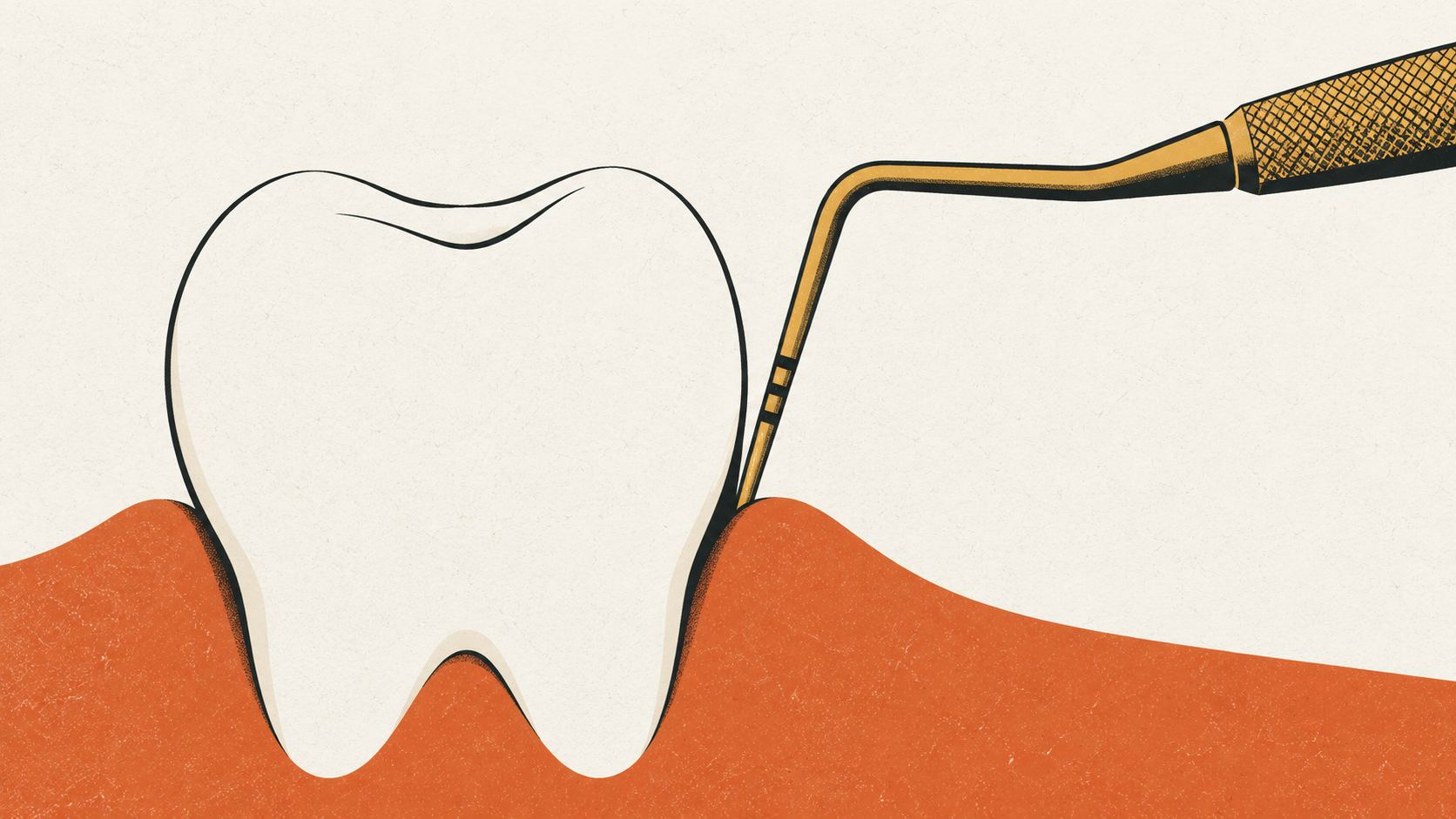 Periodontal Claim Documentation: What Payers Require to PayProper periodontal claim documentation requires five core elements: a full-mouth periodontal charting dated within the payer's limit (often 12 months), diagnostic radiographs demonstrating radiographic bone loss, a documented periodontal diagnosis (AAP stage and grade), correct tooth or quadrant CDT coding, and an individualized clinical narrative. Payers deny unsubstantiated claims upfront because automated clearinghouse edits cross-reference pocket depths, bone levels, and quadrant history before human clinical review occurs.
 Dental Insurance Verification at Scale: A Complete GuideDental insurance verification at scale requires treating the daily appointment book as a nightly batch process. Every scheduled patient receives an automated eligibility check, while new patients or those requiring major treatment receive a full breakdown. This standardized workflow prevents denial queues and ensures billing offices stay ahead of full schedules.
 How RCM Teams Handle a Payer Refund Request TakebackTo handle a payer refund request takeback, an RCM team must first verify the original payment against the payer contract and the 835 remit data. Instead of automatically accepting the recoupment, the billing company evaluates the claim history to determine whether to issue a refund, file an overpayment appeal, or allow the offset.
 Dental Timely Filing Limits: Rules, Proof, and Denial PreventionA dental timely filing limit is the strict contractual window between the date of service and the date an insurance payer receives a claim. If a claim arrives after this window closes, the payer issues a timely filing denial dental teams cannot overturn on clinical merits. Many participating-provider agreements bar billing the patient for these late claims, which turns a late submission into a provider write-off.
 What Changes During a Dental Fee Schedule Update?A dental fee schedule update is the process where a payer revises the allowed amounts for procedure codes under a specific contract. This update directly alters the dental PPO fee schedule, immediately shifting how a practice calculates plan payments, patient estimates, and write-offs.
 Orthodontic Claims Billing: How Continuing Payments WorkOrthodontic claims billing requires tracking a single course of treatment over months or years rather than a single procedural event. Dental offices submit a banding date, case fee, and expected timeline, while the insurance payer issues scheduled continuing payments until the orthodontic lifetime maximum is reached or patient eligibility ends.
 How to Stop Timely Filing Denials Before They HappenTimely filing denials happen when a medical claim reaches the payer after their specified deadline, resulting in an unappealable revenue write-off. Billing companies can stop timely filing denials by proactively tracking unacknowledged claims, securing an X12 277CA claim acknowledgment, and maintaining proof of timely filing before the window closes.
 What Do Dental Coordination of Benefits Rules Decide?Dental coordination of benefits determines which insurance plan pays first and how much the second plan covers when a patient has dual dental coverage. The primary plan processes the initial claim, while the secondary plan calculates its payment based on standard coordination or non-duplication of benefits rules.
 How to Work an Aged Accounts Receivable Report: A Guide for Billing CompaniesTo work an aged accounts receivable report, a billing company must identify the specific reason behind every unpaid claim rather than just tracking its age. This requires segmenting balances by payer and denial reason, systematically resolving workable claims, and securing appropriate write-off approvals for uncollectible debt to prevent the report from endlessly aging.
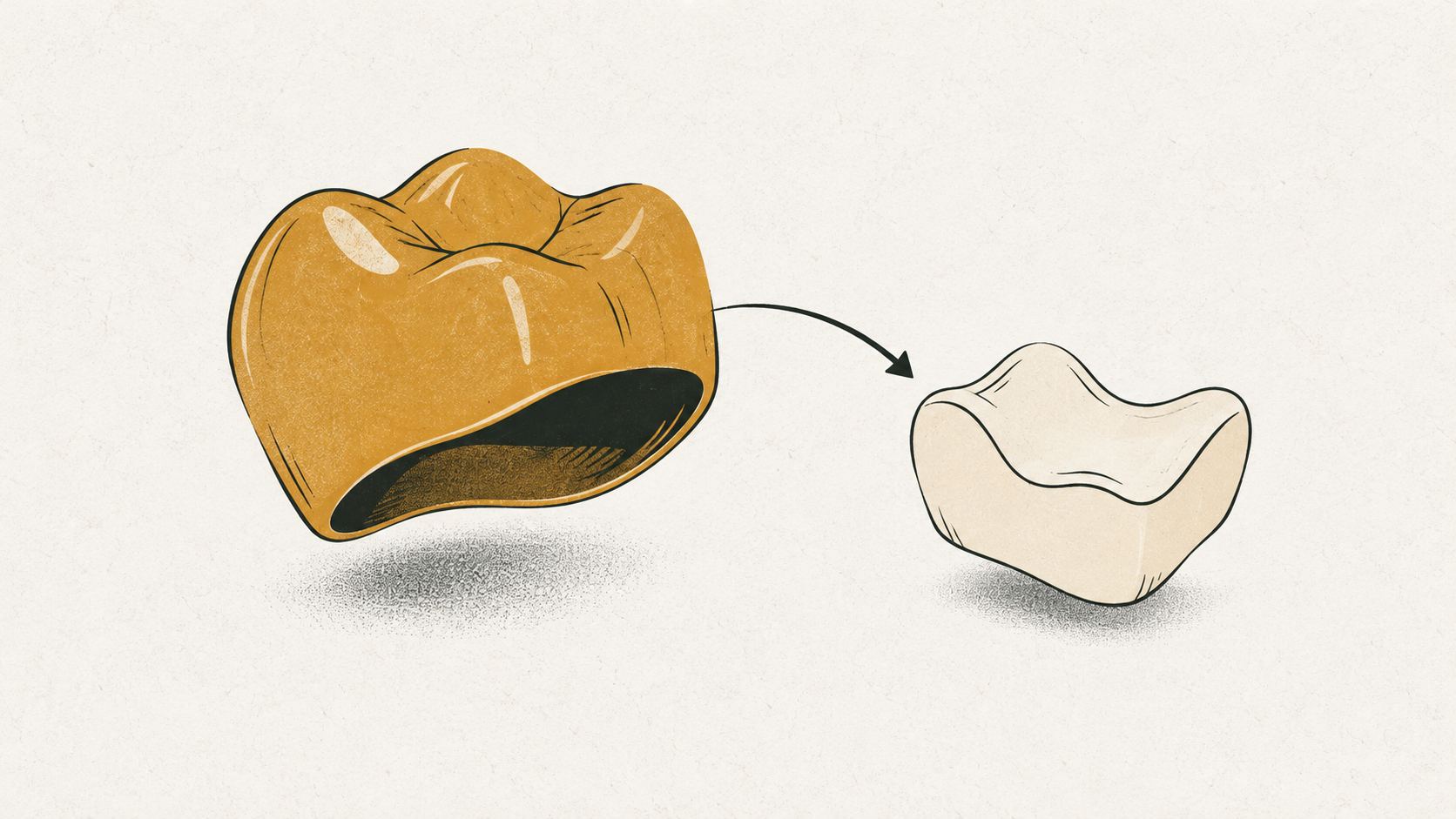 What Is a Dental Alternate Benefit Downgrade?A dental alternate benefit downgrade occurs when an insurance plan bases its reimbursement on a less expensive, clinically adequate procedure rather than the actual treatment performed. The claim is paid, but the plan applies its contract limitations, leaving the patient to pay the difference. Catching these clauses prevents surprise patient balances.
 How to Read a Dental Explanation of BenefitsTo read a dental explanation of benefits correctly, a biller must verify the patient and claim, then review each line's submitted fee, the allowed amount on a dental EOB, the plan's payment, and the patient's share. Reviewing fields in this sequence ensures accurate dental payment posting and prevents write-off errors.
 How to Read CARC and RARC Codes on a RemitTo correctly read CARC and RARC codes on a remit, a biller must combine three elements: the group code identifying who owes the balance, the reason code explaining the payment adjustment, and the remark code providing necessary specific details. Reading these together translates a basic payment reduction into a concrete, actionable next step for your billing team.
 What Does Dental Credentialing Require?Dental credentialing is the formal process where an insurance payer verifies a dentist's qualifications, including licenses, education, and malpractice history, before approving them as an in-network provider. How long the review takes depends on the payer: Delta Dental of Tennessee says initial approval can take up to 30 days, while Delta Dental of Colorado says it can take up to 90 days. It is distinct from payer enrollment for electronic claims and must be completed before billing under a practice's contract.
 What Essential Claim Scrubbing Checks Improve Clean Claim Rates?Claim scrubbing checks are pre-submission validation rules that verify a medical claim is formatted correctly, contains all required fields, and meets payer-specific coding guidelines before it leaves the billing system. These automated checks catch National Correct Coding Initiative (NCCI) edits, eligibility errors, and missing authorizations, preventing costly front-end rejections and improving first-pass payment rates.
 What Must Credentialing Finish Before Billing Starts?Before a billing company can submit claims, credentialing must finish with a written effective date from each payer. Waiting for credentialing before billing starts ensures the payer has verified the provider's qualifications and identity. Without this final credentialing committee approval, any submitted claims will face immediate denial for an unrecognized provider.
 What Does a Clean Claim Rate Actually Measure?A clean claim rate measures the percentage of medical claims that pass a specific billing checkpoint without requiring correction. However, the exact checkpoint varies by organization. It can mean the share accepted by a billing company's claim scrubber, a clearinghouse, or a payer's front-end system, making standard definitions crucial.
 Claim status vs eligibility: What is the difference?Claim status vs eligibility determines when and why a biller queries a payer. An eligibility check (X12 270/271) verifies active patient coverage before a service occurs. A claim status check (X12 276/277) tracks a submitted claim's location and payer decision. Using the correct transaction accelerates payments and streamlines the biller workflow.
 How do billing companies track ERA enrollment across many clients?To track ERA enrollment across many clients, billing companies must maintain a centralized database recording the payer, clearinghouse route, and approval status for every provider. The most effective enrollment lead workflow prioritizes gaps by paper check volume and relies on automated remit matching to detect dropped connections immediately.AI medical billing software for billing companiesAI medical billing software uses agents to do the follow-up work a billing team repeats for every client: asking payers where claims stand, balancing remits, tracking ERA enrollment and catching short payments. Daybook Health builds AI medical billing software for medical billing companies, RCM firms and software vendors. It works inside the PM systems, EHRs and clearinghouses your clients already use, so nobody switches software. Agents do the volume work, and your billers make every call on appeals, write-offs and posting.Denial management software for billing companiesDenial management software finds each denied claim, works out why it was denied and sets up the next step before the payer's deadline. Daybook is denial management software for medical billing companies. Every unpaid claim gets a 276 overnight, and each denial lands on a deadline board with its reason in plain words and its next step: an appeal, a corrected claim, a question for the payer or a write-off for your team to weigh. Daybook drafts each appeal to fit the denial. Your billers approve every appeal before it is sent.Dental insurance verification software for billing teamsDental insurance verification software checks a patient's coverage and benefits with the payer before the visit, so the office knows what the plan covers before treatment starts. Daybook Health runs it for dental billing companies, DSO billing offices and dental software vendors. Agents send the X12 270 eligibility inquiry, read the 271 answer and put it in plain words. Where a payer answers only in its portal or on the phone, the agents handle the portal or make the call. A dental office gets it through the biller or vendor it already uses.Eligibility verification software for billing companiesEligibility verification software asks the payer whether a patient's coverage is active and what the plan covers, then puts the answer where a biller can act on it. Daybook Health runs it for medical billing companies, RCM firms, dental billing teams and software vendors. A biller sends a real-time 270 and gets the 271 back in plain words: active or not, the plan, the dates, the patient's share and the benefits. Daybook also rechecks coverage on open claims, and any answer that is not active opens a work item for your team.Revenue cycle management software and RCM automation for billing companiesRevenue cycle management software for a billing company does the follow-up work between a submitted claim and a posted payment, for every client and every payer. Daybook Health is RCM automation that runs on top of the PM systems, EHRs and clearinghouses your clients already use. Its agents check claim status, call payers, balance and match every remit, track ERA and EFT enrollment, flag underpayments and draft appeals. Your billers make every decision on appeals, write-offs and posting.Foji alternatives for dental claim status and remitsThe best Foji alternative depends on which part of Foji you came for. For verification and estimates, look at Overjet Ivy or Pearl. For remits and posting, look at Zentist or Lassie. Vyne is the clearinghouse option, and eAssist hands billing to people. Daybook is for dental billing companies and DSO billing offices that need claim status, remits and enrollment across many offices.Infinitus alternatives for payer calls and claim follow-upThe right Infinitus alternative depends on who you are. If you run a pharma hub or a specialty pharmacy, Infinitus is built for you, and its closest rivals are other hub-automation vendors. If you are a medical billing company, an EHR vendor or a dental billing team chasing claims, look at tools built for revenue cycle work, such as SuperDial or Daybook.SuperDial alternatives for payer call automationThe main SuperDial alternatives are Infinitus, Daybook, an offshore AR follow-up team and general voice AI platforms. Infinitus fits pharma and specialty drug calls. Daybook fits billing companies that want claim status, remits, enrollment and underpayments worked inside their own systems. SuperDial is a strong choice when payer calls are the problem; look elsewhere when the call is one step of a bigger job.Zentist alternatives for DSOs and dental groupsThe main Zentist alternatives are Foji (verification and claim status through payer portals), Daybook (claim status, remits and ERA enrollment for a central billing office), eAssist (outsourced billing), Pearl (claim quality before submission), Vyne Trellis (clearinghouse) and Lassie (independent practices). Zentist stays the strongest choice for a DSO of five or more locations whose main problem is EOB and ERA posting on Open Dental.Best AI medical billing software for billing companiesThe best AI medical billing software for a billing company works across every client's PM system and payer list, and nobody has to switch software. Most "best of" lists rank billing systems for single practices or AI for hospitals. This page compares the tools that do follow-up work for an outsourced biller: claim status, remits, ERA enrollment, underpayments and payer calls.Best dental claims automation software in 2026The best dental claims automation software depends on which stage of the claim hurts most and who does the billing. Foji fits portal claim status in Open Dental and Dentrix offices. Zentist fits remit posting across a DSO, Pearl fits clean claims, and eAssist fits offices that want people to do the billing. Daybook fits dental billing companies and DSO billing offices that run claim status, remits and ERA enrollment for many offices.Daybook vs offshore AR follow-up teamsOffshore AR follow-up gives a billing company more people at a low hourly rate. They clear queues overnight and call payers in US hours. Daybook gives you agents that check status, balance remits and track enrollment every night, and make payer calls, while your US billers make every decision. Offshore fits when you need people for many kinds of tasks. Daybook fits when the volume is follow-up and you want the data to stay in the United States.SuperDial vs Infinitus: AI payer calls compared, plus a third optionSuperDial and Infinitus both sell voice AI that calls insurance payers, but to different buyers. SuperDial sells to revenue cycle teams: RCM companies, DSOs and provider groups. Infinitus sells mainly to pharma hubs and specialty pharmacies, for benefit verification. If you run a billing company and need the follow-up done after the call too, compare Daybook as a third option.AI claim status for dental offices and their billing teamsAI claim status for dental offices means agents ask the payer where every unpaid dental claim stands. They write the answer back onto the claim in the practice management system, so nobody spends the morning in portals. It is the core of dental claims automation and the first step toward wider dental billing automation. Daybook Health runs it for dental billing companies, DSO billing offices and dental software vendors. A dental office gets it through the biller or vendor it already uses.Claim status automation for billing companiesClaim status automation for billing companies asks each payer where every unpaid claim stands and writes the answer back onto the claim. Billers work answers instead of chasing them. Daybook sends a 276 for each unpaid claim that is due, without a portal login, and keeps asking until the claim closes. The 277 answer lands on the claim in plain words, with the denial reason and the next step. When an answer takes a phone call, Daybook calls the payer. Your billers still make every call on appeals, write-offs and posting.ERA enrollment service for billing companiesAn ERA enrollment service for billing companies sets up every provider you bill for to receive electronic remits (ERA) and electronic payments (EFT) from every payer, and tracks each enrollment until the money arrives. Daybook Health works out which ERA, EFT and EDI enrollments each provider needs from what it actually bills, ranks the gaps by the dollars behind them and files them through Availity, Stedi or the payer's own form. An enrollment counts as live only when its first EFT matches its first 835. Your team keeps the signatures and the decisions.Revenue cycle agents for EHR vendorsRevenue cycle agents for EHR vendors are software agents that run billing follow-up inside an EHR or practice management product, for every practice on it. Daybook's agents track ERA and EFT enrollment, post 835s, chase stale claims and find underpaid lines. Every answer is written back onto the claim inside your product, under your name. Daybook ships the work as pull requests against your repositories, and your engineers own the code afterwards.Underpayment detection software for billing companies and EHR vendorsUnderpayment detection software works out what a payer should have paid on each claim line and compares it with what the 835 says it paid. Daybook Health re-adjudicates every paid line against the contract rate on file for that payer, or against the rate the same remit paid on matching lines. Each underpaid line is flagged on the claim with the expected amount, the paid amount and the math behind the gap. Daybook drafts the appeal, and your billers decide whether to dispute it or accept the payment.